

In the modern industrial landscape, water management is no longer just a utility; it is a science. At Favourite Fab, we recognize that choosing the right material can define the success of a product. Whether you are developing high-performance hygiene products or sustainable agricultural solutions, understanding what are SAP polymers is the first step toward innovation.
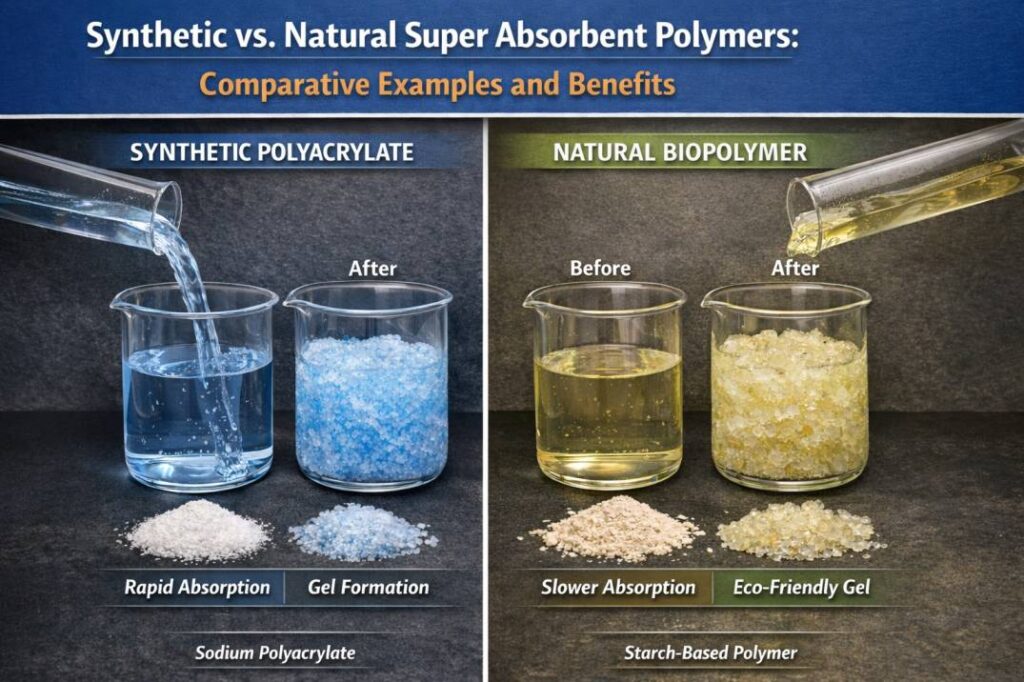
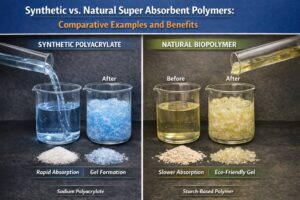
Super Absorbent Polymers (SAP) have revolutionized how we handle liquids. These materials, often referred to as superabsorbent hydrogels, possess the incredible ability to absorb and retain volumes of liquid many times their own mass. But as global industries shift toward sustainability, the debate between synthetic vs. natural super absorbent polymers has intensified.
This comprehensive guide explores super absorbent polymer examples, their chemical compositions, and their diverse applications. We will dive deep into sodium polyacrylate examples, potassium polyacrylate for plants, and the emerging world of carboxymethyl cellulose (CMC) as SAP.
What are SAP Polymers? Understanding the Molecular Magic
To appreciate the list of super absorbent materials available today, one must understand the underlying chemistry. So, what is super absorbent polymer made of? At its core, an SAP is a network of polymer chains that are cross-linked to form a three-dimensional structure.Most importantly, these chains contain hydrophilic (water-loving) groups. When these groups come into contact with water, they hydrate and build a hydrogen-bonded structure. Because the chains are cross-linked, the polymer does not dissolve. Instead, it swells, creating a gel.
How Much Water Can SAP Absorb?
A common question in the industry is: How much water can SAP absorb? On average, a high-quality synthetic SAP can absorb 300 to 500 times its weight in deionized water. In contrast, natural variants might absorb 100 to 200 times their weight. However, performance varies significantly based on the liquid’s mineral content. For instance, super absorbent polymer in diapers must handle saline (urine), which reduces the swelling capacity compared to pure distilled water.
Synthetic Super Absorbent Polymer Examples
Synthetic SAPs are the workhorses of the industry. They are cost-effective, highly efficient, and possess high “gel strength,” meaning they don’t leak even when someone sits on a saturated diaper.
1. Sodium Polyacrylate Examples
When people ask for sodium polyacrylate examples, they are usually looking at the hygiene industry. This is the primary super absorbent polymer used in diapers.The Process: It is created through the polymerization of acrylic acid blended with sodium hydroxide.The Benefit: It has an incredible affinity for water and locks it away instantly.Safety Concerns: Is sodium polyacrylate toxic? No. Extensive testing shows it is safe for skin contact, which is why it remains the standard for which polymer is used in sanitary pads.
2. Cross-linked Polyacrylamide
This is another heavy-hitter in the list of super absorbent materials. Cross-linked polyacrylamide is highly durable. Unlike sodium polyacrylate, it is frequently used in industrial settings.SAP for Spill Control and Waste Management: It is used to solidify liquid waste for safe transport.Industrial Strength: It maintains its structure under high pressure, making it ideal for deep-well drilling and construction.
Natural Super Absorbent Polymer Examples: The Green Revolution
As environmental regulations tighten, Favourite Fab sees a growing demand for biodegradable alternatives. Natural SAPs are derived from renewable resources like starch, cellulose, or chitosan.
1. Carboxymethyl Cellulose (CMC) as SAP
Carboxymethyl cellulose (CMC) as SAP is a derivative of cellulose. It is widely used in the food and pharmaceutical industries. Besides that, it is gaining traction as a non super absorbent polymer example that can be modified to reach “super” levels of absorption. It is completely biodegradable and non-toxic.
2. Starch-Grafted Copolymers
Historically, the first SAPs were starch-based. By grafting synthetic monomers onto a starch backbone, scientists created a hybrid that is more eco-friendly than pure synthetics. These are excellent water-absorbing polymers for soil because they disappear after the growing season.
Industry Applications: Where Efficiency Meets Necessity
1. SAP for Agriculture Examples
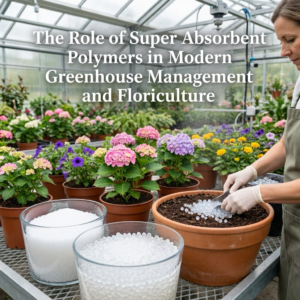
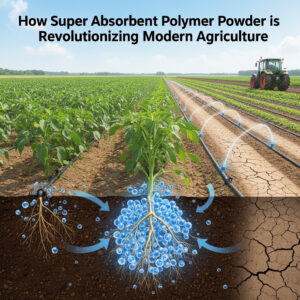
Agriculture faces the constant threat of drought. This is where SAP for agriculture examples like potassium polyacrylate for plants come into play.Why Potassium? While diapers use sodium, plants hate excess salt. Therefore, potassium-based SAPs are used to provide a “micro-reservoir” at the root zone.What is the best super absorbent polymer for plants? Most experts agree it is the cross-linked potassium polyacrylate, as it slowly releases moisture as the soil dries out.
2. Medical Grade SAP Examples
In the medical field, moisture control is a matter of life and death. Medical grade SAP examples include specialized hydrogel sheets used for burn victims. These superabsorbent hydrogels keep the wound moist to speed up healing while absorbing excess exudate (fluid) to prevent infection.
3. SAP in Hygiene Products
What is SAP in pads? It is the thin layer of crystals that prevents bulkiness while ensuring maximum dryness. The super absorbent polymer used in diapers and pads has allowed for the creation of “ultra-thin” designs that are more comfortable for the user.
The Super Absorbent Polymer Manufacturing Process
The super absorbent polymer manufacturing process is a delicate balance of chemistry and engineering. Most importantly, the degree of “cross-linking” determines the gel strength.Neutralization: Acrylic acid is neutralized with a base.Polymerization: An initiator starts the chain reaction.Drying and Grinding: The resulting “gel cake” is dried and ground into specific particle sizes.At Favourite Fab, we ensure that our manufacturing partners adhere to the highest standards, minimizing residual monomers and ensuring a consistent Super Absorbent Polymer price for our clients.
Detailed Comparison: Synthetic vs. Natural
PropertySynthetic (Sodium/Potassium Polyacrylate)Natural (Starch/Cellulose Based)Absorbency RateExtremely FastModerateRetention CapacityVery High (500g/g)Moderate (150-200g/g)BiodegradabilityVery Low (Decades)Very High (Months)DurabilityHighLowBest ForDiapers, Industry, Flood ControlAgriculture, Food, Eco-Packaging
Frequently Asked Questions (FAQ)
What is the chemical name for super absorbent polymer?
The most common chemical name is Sodium Polyacrylate ($[−CH_2−CH(CO_2Na)−]_n$). For agricultural use, the chemical name is typically Potassium Polyacrylate.
Is super absorbent polymer plastic?
Yes, most synthetic SAPs are classified as specialty plastics or “polyelectrolyte” polymers. Because they are cross-linked, they behave differently than traditional melt-able plastics like PET.
What are the 7 types of polymers?
In general waste management, the 7 types are:
- PET (Soda bottles)
- HDPE (Milk jugs)
- PVC (Pipes)
- LDPE (Bags)
- PP (Caps)
- PS (Foam)
- Other (This includes superabsorbent hydrogels and polycarbonates).
- What is SAP in pads?
SAP in pads refers to the granular material that turns liquid into a solid gel. This prevents “rewet,” where liquid is squeezed back out onto the skin under pressure.
The Future of SAP: Trends and Innovation
The market is moving toward Bio-SAPs. Researchers are currently working on improving the shelf-life of natural polymers so they can compete with the Super Absorbent Polymer price of synthetics.At Favourite Fab, we are exploring swellable polymer examples that combine the high absorption of synthetics with the degradability of naturals. This “hybrid” approach is likely the future of the industry.
Conclusion: Choosing the Right SAP for Your Needs
Whether you require SAP for spill control and waste management or are looking for water-absorbing polymers for soil, the choice depends on your specific goal. Synthetic SAPs offer unmatched power and value, while natural SAPs offer a path toward a cleaner planet.Favourite Fab is committed to providing high-quality solutions. We provide more than just products; we provide the expertise to help you navigate the complex world of super absorbent polymer examples.
Contact Favourite Fab Today
Do you need a super absorbent polymer examples pdf or specific technical data? Are you looking for the latest Super Absorbent Polymer price for a bulk order? Our team is standing by to assist you with efficiency and creativity.Expert Consultation: Find the best super absorbent polymer for plants or industrial use.Global Reach: We ship high-quality polymers for every application.
Contact Us:
WhatsApp: 9528811566

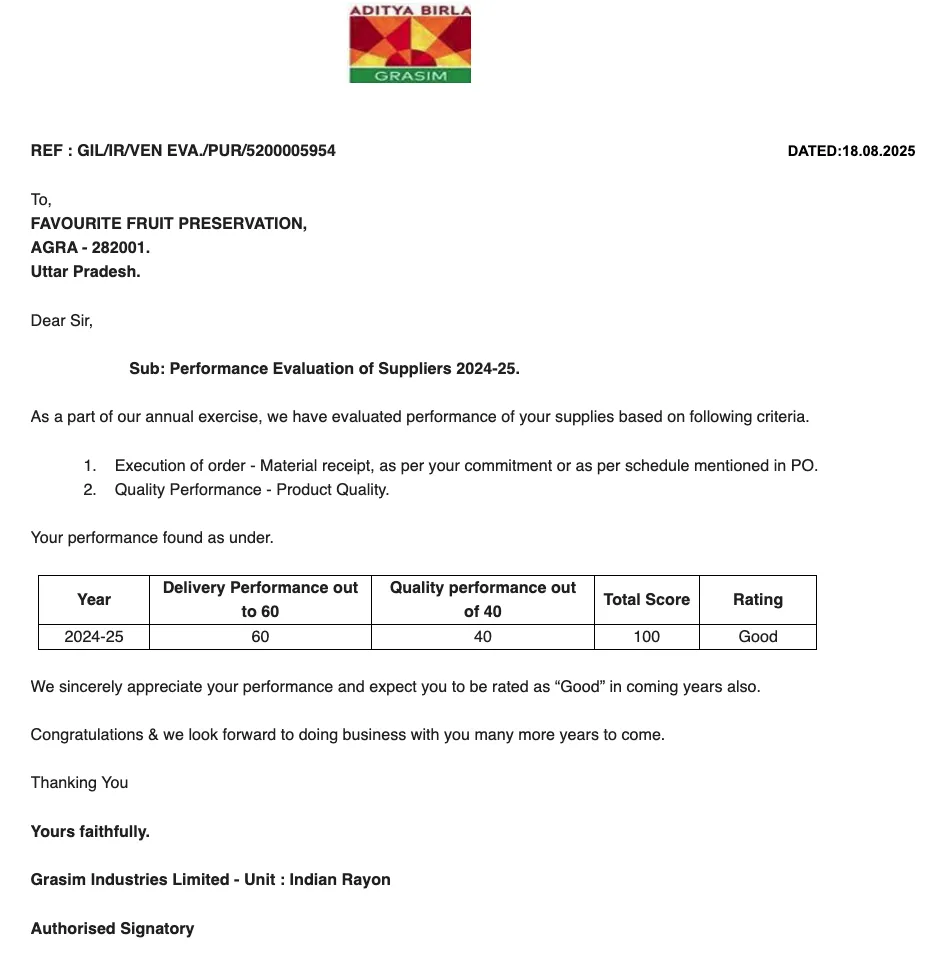
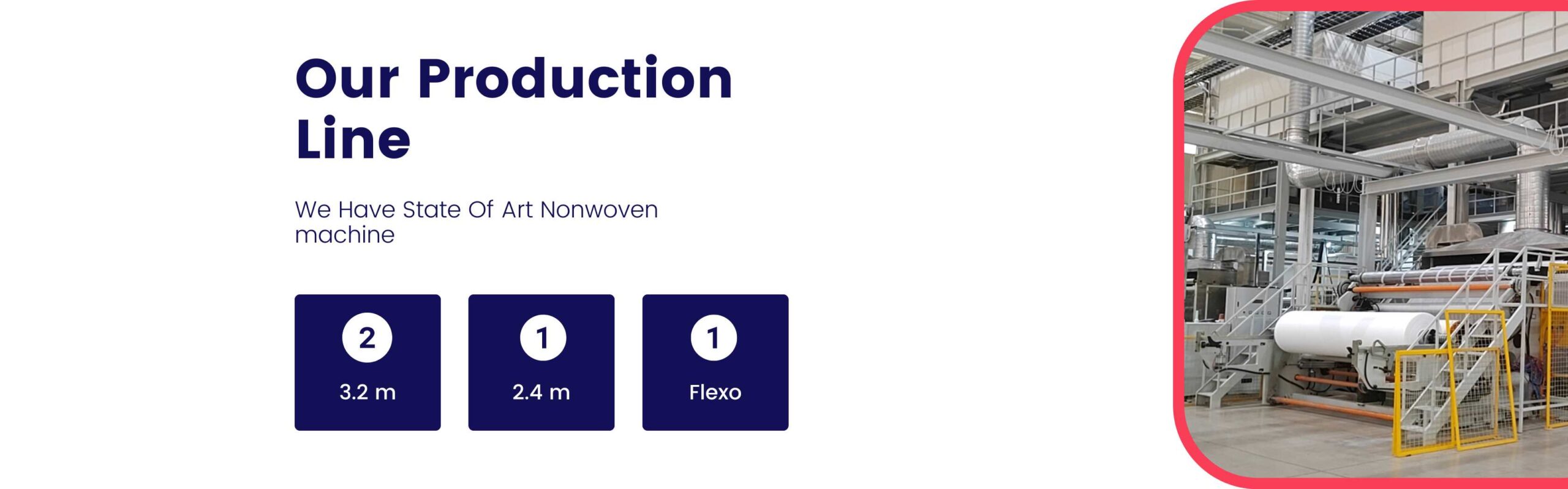
























We Do Business On Trust.Our Nonwoven fabric Business is Built on trust. Trust starts with Transparency.
Mr.Ramniwas Garg Founder Of Favourite Group