

Biodegradable Spunlace Nonwoven Fabric — Manufacturer & Supplier India
Favourite Fab supplies biodegradable spunlace nonwoven fabric in bulk to wet wipe manufacturers, feminine hygiene OEMs, cosmetic product makers, and hygiene converters targeting eco-label markets across India and 50+ export markets. Biodegradable spunlace is not a product category — it is a verifiable performance specification backed by third-party test data. Favourite Fab supplies substrate grades with documented biodegradability claims for EU, US, and ASEAN regulated markets.
What Is Biodegradable Spunlace Nonwoven Fabric?
Biodegradable spunlace nonwoven fabric is a hydroentangled nonwoven produced entirely from natural or man-made cellulosic fibres — with zero synthetic (polyester, polypropylene, or nylon) content. Because the fabric contains no petroleum-derived polymer fibres, it is capable of complete biological degradation through microbial action under industrial composting or natural soil conditions. The degradation process returns the fabric to water, carbon dioxide, and biomass without leaving persistent microplastic fragments.
For B2B manufacturers, “biodegradable” is not a label decision — it is a procurement specification. The fibre composition must exclude all synthetic polymers, the hydroentanglement process must use no chemical binders, and the biodegradability claim must be supported by third-party test data per the relevant standard (EN 13432, ISO 17088, ASTM D6400, or OK Compost Home). Without test data, a biodegradable claim on finished product packaging is a regulatory and marketing compliance risk.
Favourite Fab supplies biodegradable spunlace in 100% viscose, 100% bamboo, 100% lyocell, 100% cotton, and blends of these cellulosic fibres. All grades are produced without chemical binders. Third-party biodegradability test reports are available on request for export orders into regulated markets.
DEGRADATION TIMELINE IN SOIL / COMPOSTING CONDITIONS
Day 1
3 Months
6 Months
1 Year
10 Years
100+ Yrs
100% Viscose
✓ Fully degraded ~6 months (industrial composting)
100% Bamboo
✓ Fully degraded ~8 months (industrial composting)
100% Lyocell
✓ Fully degraded ~6–7 months (industrial composting)
100% Polyester
✗ Does NOT biodegrade — persists as microplastic fragments for 100–500 years
Which Cellulosic Fibre Is Right for Biodegradable Spunlace?
All four fibre options produce a biodegradable spunlace substrate. The choice determines cost, softness, eco-positioning, and production performance.
Wood pulp-derived cellulosic fibre. Fully biodegradable. Highest absorbency — up to 11× dry weight. Best cost-performance ratio for biodegradable spunlace. Suitable for budget-conscious eco-label wipes and hygiene products at competitive price points. The dominant choice for baby wipes, facial wipes, and cotton wipe alternatives targeting biodegradable claims.
Produced via closed-loop NMMO solvent process — the most environmentally credible fibre in this category. Fully biodegradable. Superior softness and moisture management. 30–50% price premium over viscose. Correct specification for products where closed-loop manufacturing is a marketable sustainability credential — EU premium cosmetic sheets, certified sustainable baby wipes, and medical nonwovens targeting eco-certification.
Certified organic cotton — no pesticides, no GMO. Fully biodegradable. Supports GOTS, OEKO-TEX, and organic certification pathways. Highest price premium. Best suited for ultra-premium products where organic cotton certification is a specific consumer or retailer requirement.
Biodegradable Spunlace — Full Specification Range
All biodegradable spunlace grades contain zero synthetic fibre and zero chemical binders. Hydroentanglement only. Biodegradability test data available on request for export orders.
| Parameter | Standard Range | Notes for Buyers |
|---|---|---|
| GSM (Weight) | 20 – 100 gsm | 20–50 gsm for facial and cosmetic wipes; 30–60 gsm for baby and hygiene wipes; 60–100 gsm for industrial biodegradable wipes |
| Fibre Composition | 100% Viscose; 100% Bamboo; 100% Lyocell; 100% Organic Cotton; cellulosic blends | No polyester or synthetic fibre permitted — any synthetic content voids biodegradability claim |
| Fibre Content Verification | Fibre composition certificate per batch | Third-party fibre composition testing (AATCC 20A) available for regulated markets requiring verified 100% cellulosic content |
| Biodegradability Standard | EN 13432; ASTM D6400; ISO 17088; OK Compost Home | Test data available per the standard required by your target market — state standard at enquiry |
| Web Structure | Parallel laid (20–50 gsm); Cross-lapped (50–100 gsm) | Cross-lapping recommended for grades above 50 gsm to maintain CD tensile without synthetic fibre reinforcement |
| Surface Pattern | Plain; Apertured; Embossed; Woven look | Woven-look embossed pattern widely used in premium biodegradable wipes to signal cloth-like quality |
| Water Absorption | Viscose: ≥11×; Bamboo: ≥8×; Lyocell: ≥7× | Viscose delivers highest liquid retention — important for pre-loaded wet wipes |
| Roll Width | 10 cm – 320 cm | Standard slit widths for wipe converting: 30, 50, 100, 160, 220 cm |
| Colour | Natural (unbleached); Bleached White; Optical White | Unbleached natural colour preferred for GOTS and organic-label products |
| Certifications | OEKO-TEX compatible; GOTS (organic cotton grades); ISO certified | Biodegradability test reports, MSDS, fibre composition certificate, and COA provided per batch |
Making a Verified Biodegradable Claim — What Procurement Teams Need to Know
The regulatory environment for biodegradability claims is tightening globally. EU Green Claims Directive, US FTC Green Guides, and ASEAN frameworks all require claims substantiated by specific test data.
The reference standard for compostability claims in the EU. Requires ≥90% biodegradation within 6 months at 58°C composting conditions and ≥90% disintegration within 3 months. Products carrying the Seedling logo or “compostable” claim in EU markets require EN 13432 certification.
Stricter in practice — requires biodegradation at ambient temperature (25°C) rather than industrial composting (58°C). Products with OK Compost Home certification can be composted in a household compost bin. Third-party testing required — add 8–12 weeks to qualification timeline.
The US equivalent of EN 13432. ASTM D6400 is referenced by BPI certification and most US state and municipal composting facility requirements. ISO 17088 is aligned with both EN 13432 and ASTM D6400 for international markets.
Under EU Green Claims Directive and US FTC Green Guides: you cannot use “biodegradable”, “compostable”, “eco-friendly”, or “sustainable” on product packaging without substantiating data. Claims based solely on fibre origin do not constitute a verified biodegradability claim. Favourite Fab recommends commissioning EN 13432 or ASTM D6400 testing before finalising packaging claims.
Biodegradable Spunlace — B2B Applications by Segment
Favourite Fab supplies biodegradable spunlace substrate to manufacturers targeting eco-label, organic, sustainable, or biodegradable product lines in these segments.
30–50 gsm
Baby wipes, facial wipes, and personal care wipes targeting biodegradable/eco-label packaging claims. Viscose or bamboo at 30–50 gsm — the direct biodegradable alternative to the standard viscose/polyester blend used in conventional wipes.
20–35 gsm
Sheet masks, cleansing cloths, and micellar wipes for premium and natural cosmetic brands. Lyocell and bamboo at 20–35 gsm — softest and most eco-credible substrates for skin-contact cosmetic applications.
35–60 gsm
Period products, panty liners, and menstrual pads targeting organic or biodegradable certification. Organic cotton and lyocell preferred — both support GOTS or similar certification pathways.
30–45 gsm
Certified organic baby wipes, diaper top sheets, and cotton baby cloths. Organic cotton spunlace supports GOTS certification for the finished product — the most recognised organic textile standard in global retail.
50–100 gsm
Biodegradable wound contact layers and medical wipes where disposable product environmental impact is a procurement criterion. Lyocell spunlace at 50–80 gsm — highest wet tensile of the cellulosic options.
All GSM
Any product line where biodegradable substrate is a retailer listing requirement. EU supermarkets, natural retail chains, and DTC brands with sustainability commitments now commonly specify biodegradable substrate as a condition of supply.
Why Manufacturers Source Biodegradable Spunlace From Favourite Fab
Biodegradable spunlace requires fibre composition control that excludes synthetic contamination at every stage. Favourite Fab issues fibre composition certificates alongside standard COA parameters for all biodegradable grades.
Wholesale Pricing & How to Order Biodegradable Spunlace
Pricing is determined by fibre type, GSM, roll width, and order volume. Viscose is most cost-competitive; organic cotton carries the highest premium. State your target market and biodegradability standard so we can confirm test data availability and advise on the correct grade.
Frequently Asked Questions — Biodegradable Spunlace
Source Biodegradable Spunlace Nonwoven Fabric in Bulk
State your fibre type, GSM, and required biodegradability standard — receive a quote and documentation summary within 24 hours.


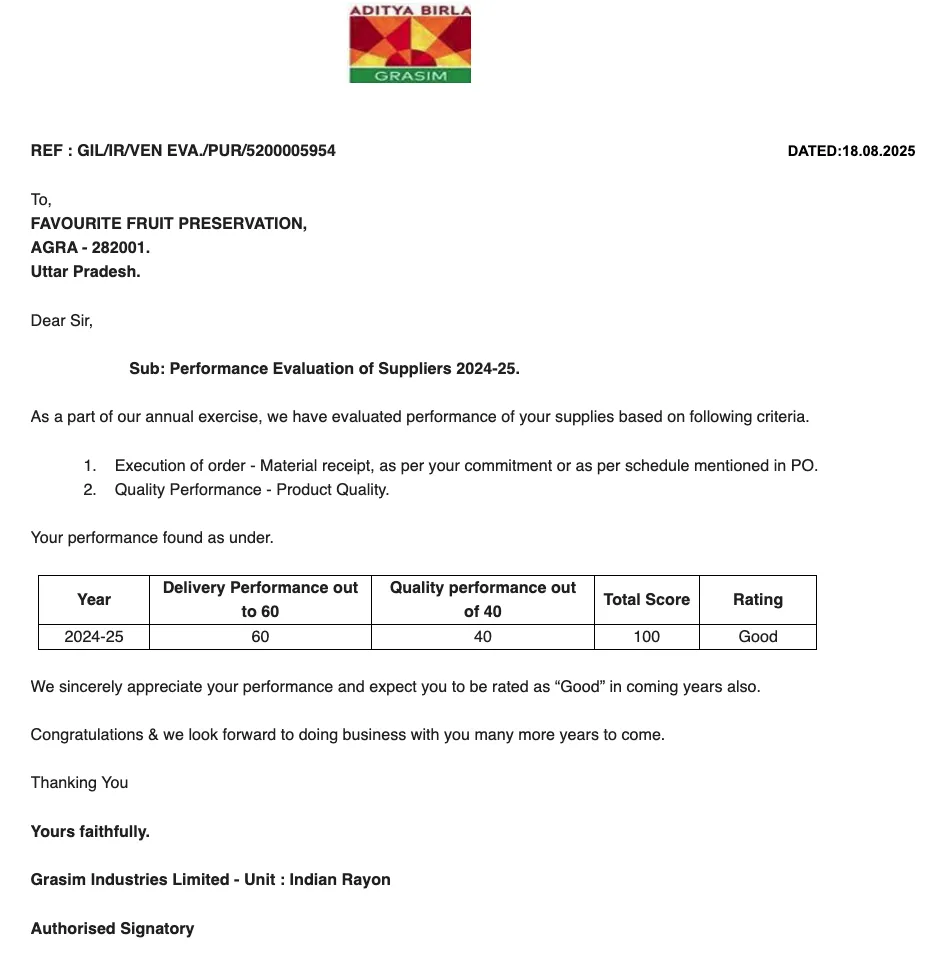
























We Do Business On Trust.Our Nonwoven fabric Business is Built on trust. Trust starts with Transparency.
Mr.Ramniwas Garg Founder Of Favourite Group