


Biodegradable spunlace nonwoven fabric is made from natural-origin fibres — viscose, wood pulp, bamboo or cotton — that fully break down in soil within 4–12 weeks. Unlike polyester-based nonwovens, biodegradable spunlace leaves no microplastic residue and is eligible for OEKO-TEX, GRS and OK Biobased certification. It is used in baby wipes, cosmetic pads, medical gauze, feminine hygiene and agricultural covers — wherever a soft, absorbent, single-use fabric is needed without long-term environmental impact. This guide covers all biodegradable spunlace types, certifications, applications and 2026 market data.
Biodegradable Spunlace — Types & Degradation Data
| Fibre Type | Biodegradable? | Degradation Time | Softness | Absorbency | Certification Eligible |
|---|---|---|---|---|---|
| 100% Viscose Most Popular | ✅ Fully | 6–8 weeks in soil | ⭐⭐⭐⭐⭐ | Up to 6× weight | OEKO-TEX, GRS, OK Biobased |
| Wood Pulp-Viscose Best Value | ✅ Fully | 4–8 weeks in soil | ⭐⭐⭐⭐ | Up to 7× weight | OEKO-TEX, GRS, FSC |
| 100% Cotton | ✅ Fully | 5–12 weeks in soil | ⭐⭐⭐⭐⭐ | 4–5× weight | OEKO-TEX, GOTS, BCI |
| Bamboo-Viscose | ✅ Fully | 6–10 weeks in soil | ⭐⭐⭐⭐⭐ | 4–5× weight | OEKO-TEX, FSC |
| PLA (Polylactic Acid) | ✅ Industrially compostable | 3–6 months (industrial composting) | ⭐⭐⭐ | Moderate | OK Compost, DIN CERTCO |
| 50/50 Viscose-PET | ⚠️ Partial only | Viscose fraction only | ⭐⭐⭐⭐ | 3–4× weight | Not fully eligible |
| 100% Polyester | ❌ No | Does not biodegrade | ⭐⭐ | 1–1.5× weight | Not eligible |
What is Biodegradable Spunlace Nonwoven?
Spunlace nonwoven fabric is made using a hydroentanglement process — high-pressure water jets entangle loose fibres without any chemical binders or adhesives. As a result, the biodegradability of the finished fabric depends entirely on the fibre used. When natural-origin fibres such as viscose, wood pulp, bamboo or cotton are used, the fabric fully biodegrades in soil. In contrast, polyester-based spunlace does not biodegrade and contributes to microplastic pollution when disposed of in landfill.
Is All Spunlace Biodegradable?
No. Only spunlace made from natural or bio-based fibres is biodegradable. Therefore, it is essential to check the fibre composition before making an eco claim. 100% viscose spunlace and wood pulp-viscose spunlace are the most widely available and affordable biodegradable options. PLA spunlace is fully compostable but requires industrial composting facilities — it does not biodegrade in standard soil or home composting conditions.
Eco Certifications for Biodegradable Spunlace
In addition to biodegradability, buyers in EU and premium markets increasingly require third-party certification. The following certifications apply to biodegradable spunlace fabric:
| Certification | What It Covers | Eligible Fibre Types | Required For |
|---|---|---|---|
| OEKO-TEX Standard 100 | Tests for harmful substances — confirms fabric is safe for skin contact | Viscose, cotton, bamboo, wood pulp, PLA | Baby wipes, cosmetic, medical — EU and USA markets |
| GRS (Global Recycled Standard) | Certifies recycled content claims in fabric | Recycled viscose, recycled PET blends | Brands making recycled content claims |
| OK Biobased | Confirms bio-based content percentage (1–4 star rating) | Viscose, PLA, bamboo, wood pulp | Products making bio-based claims in EU |
| OK Compost (TÜV Austria) | Confirms industrial or home compostability | PLA, viscose (home compost grade) | Compostable wipes and packaging claims |
| GOTS (Global Organic Textile Standard) | Organic fibre certification — from farm to finished fabric | Organic cotton only | Premium organic baby wipes, cosmetic pads |
| FSC (Forest Stewardship Council) | Responsible forestry — certifies wood pulp and viscose origin | Wood pulp-viscose, bamboo-viscose | Buyers requiring responsible sourcing |
Top Applications for Biodegradable Spunlace Nonwovens
| Application | Recommended Fibre | GSM | Key Eco Benefit |
|---|---|---|---|
| Baby wipes | 100% viscose or wood pulp-viscose | 40–50 GSM | Fully biodegrades — no microplastic in nappy waste |
| Cosmetic / makeup remover pads | 100% viscose or bamboo-viscose | 40–60 GSM | Replaces cotton rounds — biodegrades in 6–8 weeks |
| Feminine hygiene top sheet | 100% viscose (apertured) | 25–40 GSM | Key eco differentiator in premium hygiene segment |
| Medical gauze / wound dressing | 100% viscose | 40–60 GSM | Disposable medical — reduces clinical waste impact |
| Flushable / dispersible wipes | Wood pulp-viscose (spunlace or airlaid) | 50–70 GSM | Passes EDANA / INDA flushability guidelines |
| Household / kitchen wipes | Wood pulp-viscose | 50–70 GSM | Compostable after use — home composting eligible |
| Agricultural crop covers | 100% viscose or PLA | 17–30 GSM | Biodegrades in field — no removal needed |
| Tea bags and coffee filters | Wood pulp-viscose | 12–20 GSM | Food-safe, compostable with organic waste |
| Eco packaging / wrapping | 100% viscose or PLA | 20–40 GSM | Replaces plastic wrap — certifiable compostable |
Biodegradable Spunlace Market Data 2026
The global demand for biodegradable and sustainable nonwovens is growing rapidly. Several key market forces are driving this shift in 2026:
| Market Factor | Data / Detail |
|---|---|
| Global nonwoven wipes market value (2026) | Estimated $26–28 billion — growing at 8–9% CAGR |
| Biodegradable wipes market share | Approximately 18–22% of total wipes market in 2026 — up from ~10% in 2020 |
| EU Single-Use Plastics Directive | Restricts wet wipes containing plastic fibres — driving viscose adoption in Europe |
| India eco wipes growth | Premium baby wipe segment in India growing 15–20% YoY — biodegradable a key differentiator |
| Consumer preference (2025–26) | 67% of FMCG buyers in EU prefer biodegradable packaging and wipes over conventional |
| 100% viscose spunlace demand | Fastest-growing spunlace segment globally — driven by EU SUP directive compliance |
Biodegradable vs Standard Spunlace — Key Differences
Since many buyers ask how biodegradable spunlace differs from standard spunlace in practical terms, the table below summarises the most important differences:
| Factor | Biodegradable Spunlace (100% Viscose) | Standard Spunlace (50/50 Viscose-PET) |
|---|---|---|
| Biodegradable | ✅ Yes — 6–8 weeks in soil | ⚠️ Partial only |
| Softness | ⭐⭐⭐⭐⭐ Highest | ⭐⭐⭐⭐ Good |
| Absorbency | Up to 6× own weight | 3–4× own weight |
| Wet strength | Moderate — 65–70% dry strength | Higher — 70–78% dry strength |
| Cost per kg | Higher — viscose fibre costs more | Lower — polyester reduces cost |
| Certification eligible | OEKO-TEX, GRS, OK Biobased, FSC | Limited — partial bio content only |
| EU SUP Directive compliant | ✅ Yes | ⚠️ Check plastic fibre % — may not comply |
| Best applications | Baby wipes, eco cosmetics, medical, feminine hygiene | General wipes, salon towels, household |
About Favourite Fab — Biodegradable Spunlace Manufacturer
Favourite Fab manufactures biodegradable spunlace nonwoven fabric in Agra, India — supplying 13,000+ customers across India and exporting globally. We produce 100% viscose, wood pulp-viscose and bamboo-viscose spunlace from 30 to 80 GSM in plain, embossed and apertured patterns. Furthermore, all fabric is produced in a sanitised environment with no stock-lot material, ensuring consistent quality for eco-sensitive applications.
Explore related guides: Spunlace nonwoven fabric types · Spunlace nonwoven properties and data · Wet wipes raw material guide · Spunlace HS code and GST rate
Email: sale@favouritehub.com | WhatsApp / Call: +91 8800775462
Frequently Asked Questions
Is spunlace nonwoven fabric biodegradable?
Spunlace nonwoven fabric is biodegradable only when made from natural-origin fibres. Specifically, 100% viscose spunlace fully biodegrades in soil within 6–8 weeks, wood pulp-viscose spunlace in 4–8 weeks, and cotton spunlace in 5–12 weeks. In contrast, 50/50 viscose-polyester spunlace is only partially biodegradable — the viscose fraction breaks down but the polyester does not. 100% polyester spunlace is not biodegradable at all. Therefore, always check the fibre composition before making any eco or biodegradable claim.
What certifications does biodegradable spunlace fabric have?
Biodegradable spunlace fabric is eligible for several certifications depending on the fibre type. 100% viscose and wood pulp-viscose spunlace can achieve OEKO-TEX Standard 100 (harmful substance testing), GRS (Global Recycled Standard) and OK Biobased (bio-based content verification). PLA spunlace is eligible for OK Compost certification from TÜV Austria. Cotton spunlace can additionally achieve GOTS (Global Organic Textile Standard) if made from certified organic cotton. FSC certification applies to wood pulp-viscose and bamboo-viscose for responsible sourcing.
What is biodegradable spunlace fabric used for?
Biodegradable spunlace nonwoven fabric is used primarily in baby wipes, cosmetic and makeup remover pads, medical gauze and wound dressings, feminine hygiene top sheets, flushable wipes, household cleaning wipes and agricultural crop covers. In addition, it is increasingly used in eco packaging, tea bag fabric and coffee filters. The most common application globally is wet wipes manufacturing, where 100% viscose spunlace at 40–60 GSM is the standard biodegradable substrate.
How long does it take for spunlace fabric to biodegrade?
The degradation time depends on fibre type and disposal environment. In soil, 100% viscose spunlace breaks down in 6–8 weeks, wood pulp-viscose in 4–8 weeks, bamboo-viscose in 6–10 weeks, and cotton in 5–12 weeks. PLA spunlace, however, requires industrial composting conditions and takes 3–6 months even then — it does not biodegrade in standard soil or home compost. In comparison, 100% polyester spunlace does not biodegrade under any normal environmental condition.
What is the price of biodegradable spunlace fabric in India?
Biodegradable spunlace fabric (100% viscose) starts at approximately ₹170–220/kg at Favourite Fab, depending on GSM and pattern. This is 15–30% higher than standard 50/50 viscose-polyester spunlace (from ₹150/kg), because viscose fibre costs more than polyester. However, for brands targeting eco-conscious consumers or EU markets where the Single-Use Plastics Directive applies, the price premium is commercially justified. MOQ for plain biodegradable spunlace is 1,000 kg with 2–5 day delivery in India.

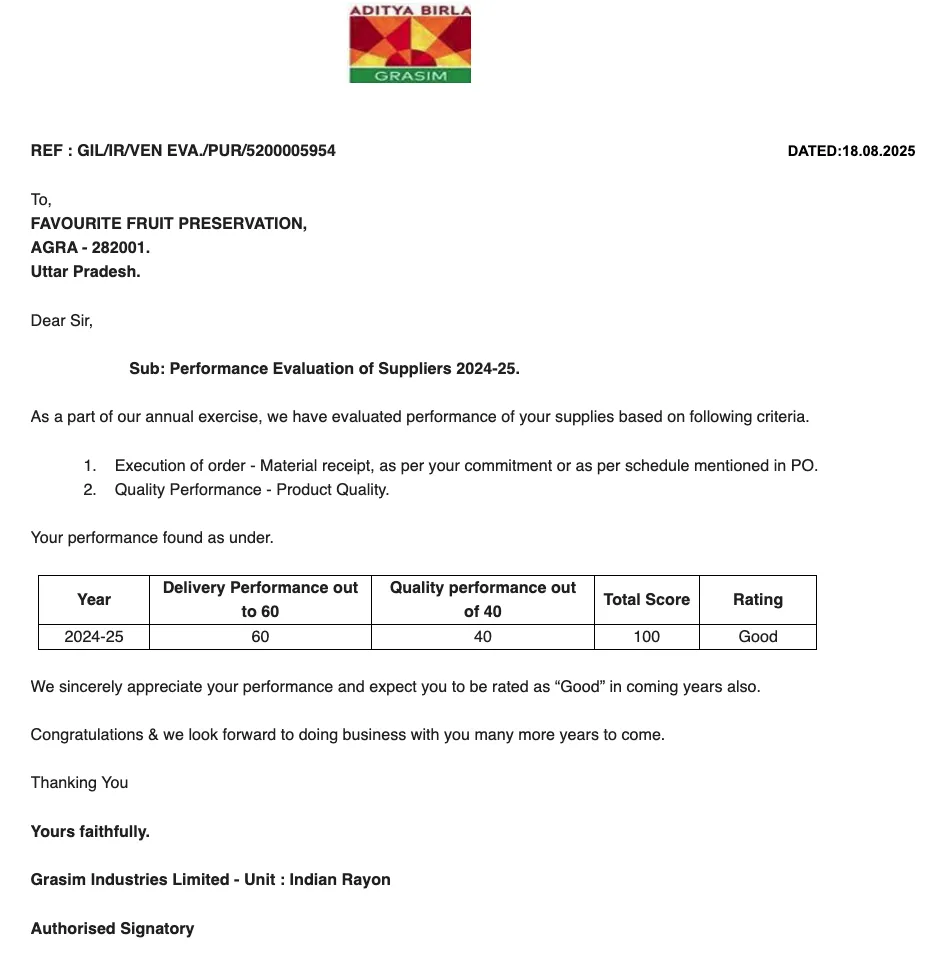


We Do Business On Trust.Our Nonwoven fabric Business is Built on trust. Trust starts with Transparency.
Mr.Ramniwas Garg Founder Of Favourite Group