




A silicone coated release liner is a paper carrier with a cured silicone layer that lets adhesives peel away cleanly. Tape makers, label converters, medical device companies and hygiene product manufacturers buy it as a core raw material. Favourite Fab, based in Agra, India, supplies silicone release paper in rolls, with custom slitting and samples available.
What Is a Silicone Coated Release Liner?
A release liner has two parts: a base paper and a thin silicone coating. The silicone creates a low-energy surface. Pressure-sensitive adhesive sticks to it lightly and lifts off without tearing or leaving residue.
Buyers also call it a silicone release liner, silicone release paper, siliconised paper, silicone liner paper or simply release liner paper. The names differ by region, but the function is the same. The liner carries and protects the adhesive from coating line to final application.
Favourite Fab supplies the liner on a glassine base. Glassine is dense, smooth and calendered, so silicone sits evenly on the surface. That gives a consistent peel across the full width of the roll.
Silicone Coated Release Liner — Specifications and Options
| Parameter | Detail |
|---|---|
| Base paper | Glassine; other bases to buyer specification |
| Coating | Silicone, single side or double side |
| GSM | 29–100 GSM |
| Width | 10–320 cm, custom slitting available |
| Roll length | 500–2000 m |
| MD tensile strength | ≥40 N/15mm |
| Release force | Easy, medium or tight, matched to your adhesive |
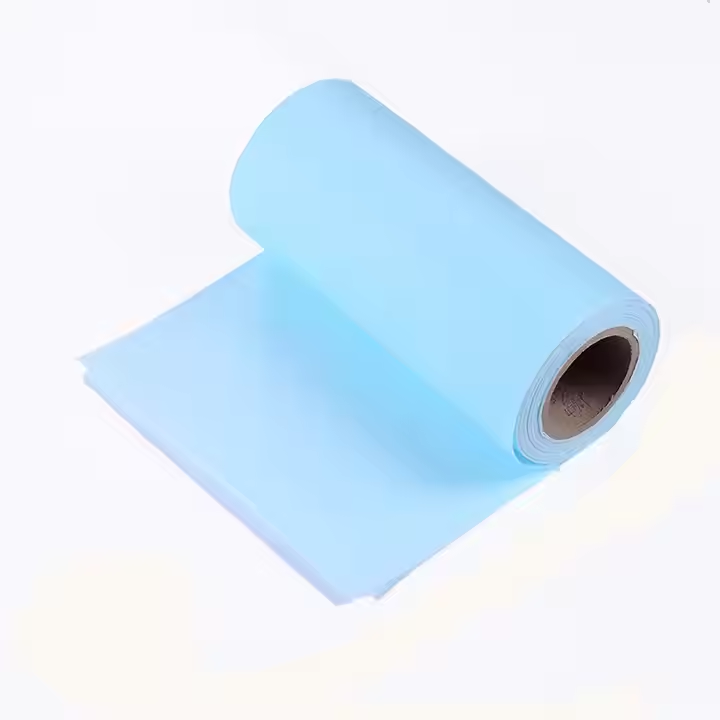
| Colour | White standard; custom shades on request |
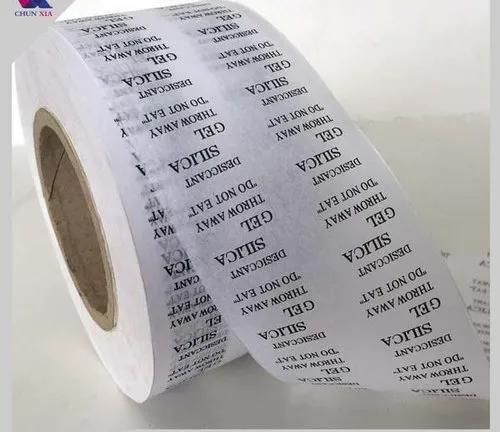
| Printing | Custom flexo printing to buyer artwork |
| HSN code | 4811 |
Key Features
- Glassine base, 29–100 GSM: a dense, smooth paper that holds silicone evenly.
- Single or double side coating: one release face for labels, two faces for transfer tapes.
- Wide format up to 320 cm: suits wide adhesive coaters and laminators.
- Long rolls of 500–2000 m: fewer roll changes on high-speed converting lines.
- MD tensile ≥40 N/15mm: the web runs through die-cutting and rewinding without breaks.
- Custom flexo printing: logos or use instructions printed to buyer artwork.
- White or custom shades: colour coding helps line operators identify grades.
Applications by Industry
Medical Device and Wound Care
Medical device makers use the liner under skin-contact adhesives, electrode pads and dressing films. A clean, even release protects the adhesive until the device is applied. See our medical release liner for this segment.
Bandage and First Aid Strips
Adhesive bandage converters need a liner that peels easily by hand. They often print opening tabs or brand text on it. Our bandage release paper covers these grades.
Tapes and Transfer Tapes
Single-sided tape lines use a one-side coated liner. Double-sided, foam and transfer tapes need both faces coated, often with different release levels. Our double side silicone paper serves these lines.
Labels and Stickers
Label converters need flat, stable liner that die-cuts cleanly and strips fast on dispensers. Glassine gives good transparency for sensor detection on labelling machines.
Sanitary and Hygiene Products
Hygiene product makers use release paper over the positioning adhesive of pads and liners. For this use, see our dedicated sanitary napkin release paper page.
Industrial Composites and Interleaving
Composite and rubber processors place siliconised paper between tacky sheets. It stops layers bonding during storage and transport. Double side coating is common here, since both faces touch adhesive material.
Single Side vs Double Side Silicone Coating
A single side liner carries silicone on one face only. The uncoated face can take print or bond to another layer. Labels, bandages and single-sided tapes mostly use this format.
A double side liner carries silicone on both faces. It is wound against adhesive on one side and the next roll layer on the other. Manufacturers often specify differential release, with one tight side and one easy side. This controls which face releases first during unwinding.
Release Force Grades for Silicone Coated Release Liner
Release force is the effort needed to peel the adhesive away from the liner. It depends on the silicone formulation, the coat weight and the adhesive chemistry. Favourite Fab matches the grade to your adhesive sample rather than a fixed catalogue value.
- Easy release: a light peel for hand-applied products such as bandages, plasters and hygiene adhesives.
- Medium release: a balanced grade for general labels and single-sided tapes on automatic dispensers.
- Tight release: a firmer hold for aggressive adhesives, so labels do not lift or pre-dispense on the line.
- Differential release: two different levels on a double side liner, used for transfer and double-sided tapes.
Release can shift as adhesive ages on the liner. Run a line trial with your own adhesive and storage conditions before a bulk order.
Glassine vs Kraft vs PE Coated Base Paper
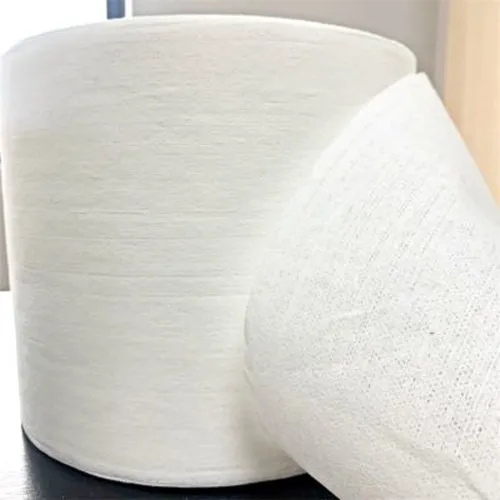
Glassine is supercalendered and dense. It gives a smooth, closed surface, good translucency and an even silicone layer. Labels, medical liners and tapes use it most.
Kraft is a stronger, more open paper. It needs more silicone to seal the surface. Buyers often choose it for heavy interleaving and industrial sheets.
PE coated paper carries a polyethylene layer under the silicone. The film adds a moisture barrier and helps the liner stay flat in humid plants. Hygiene and composite processors often specify it.
How to Choose the Right Grade
Release force. Match the release level to your adhesive. Aggressive acrylic and rubber adhesives usually need a tight release. Hand-peel products such as bandages need an easy release. Send us your adhesive type and we will suggest a grade.
Base paper. Glassine suits labels, medical and tape work, where a smooth, dense surface matters. Kraft bases are often chosen for heavy industrial interleaving. A PE coated release paper adds a moisture barrier and better lay-flat. Compare glassine grades on our glassine release paper page.
Coating side. Choose single side for one adhesive face. Choose double side for transfer tapes, foam tapes and interleaving.
GSM. Lower GSM gives a lighter, more flexible liner for small parts. Higher GSM adds stiffness for wide webs and automatic dispensing.
Width and roll length. Specify your coater or slitter width. Longer rolls reduce changeovers on continuous lines.
Print. If you need logos, peel arrows or instructions, ask for printed release paper. Share artwork early so we can plan colours.
Why Source Silicone Coated Release Liner From Favourite Fab
- Exporting since 2011 to buyers in India, the Middle East, Africa, Southeast Asia and Europe.
- Based in Agra, India, with direct manufacturer-to-buyer supply.
- Custom slitting to your line width, from narrow reels up to 320 cm.
- MOQ-friendly order sizes for trial runs and new product development.
- Samples available before bulk orders.
- Custom flexo printing to buyer artwork.
- One supplier for release paper, medical packaging paper and non-woven fabric.
Pricing and MOQ
Favourite Fab offers competitive wholesale pricing on silicone release paper roll orders. The quote depends on GSM, coating side, release level, width, print and order volume. Our sales team sends a quote on request. MOQ is flexible for trial orders, so new buyers can test a grade before scaling up.
How to Order
- Send your specification to sale@favouritehub.com: GSM, width, roll length, coating side, release level, adhesive type and print needs.
- Receive a quote and a matched sample for your line trial.
- Confirm the order, packing and despatch schedule with our sales team.
Related Products
- Medical Release Liner
- Bandage Release Paper
- Printed Release Paper
- Glassine Release Paper
- PE Coated Release Paper
- Sanitary Napkin Release Paper
- Double Side Silicone Paper
Frequently Asked Questions
Q: What is a silicone coated release liner used for?
A: It protects an adhesive surface until the point of use. Tape, label, medical, bandage and hygiene manufacturers peel it away just before application.
Q: What GSM range do you supply?
A: Favourite Fab supplies glassine silicone release paper from 29 to 100 GSM. We match the grade to your adhesive and converting line.
Q: Can I order single side or double side coating?
A: Yes. We supply single side and double side silicone coating. Double side liners suit transfer tapes, foam tapes and interleaving.
Q: What roll widths and lengths are available?
A: Widths run from 10 to 320 cm. Roll lengths run from 500 to 2000 m. Custom slitting is available to your line width.
Q: Can the release liner paper be printed?
A: Yes. We offer custom flexo printing to buyer artwork, including logos, instructions and batch text on the liner.
Q: Do you send samples before a bulk order?
A: Yes, samples are available. Send your adhesive type and target release force, and we will match a grade for trial.
Q: What is the HSN code for silicone release paper?
A: Favourite Fab invoices silicone release paper under HSN 4811. Confirm the final code with your customs agent for your import market.
Contact Favourite Fab
Email: sale@favouritehub.com
Phone and WhatsApp: +91 88007 75462
Share your adhesive type, GSM and width, and our team will match a silicone coated release liner grade for your line. Request samples or get a quote today.