

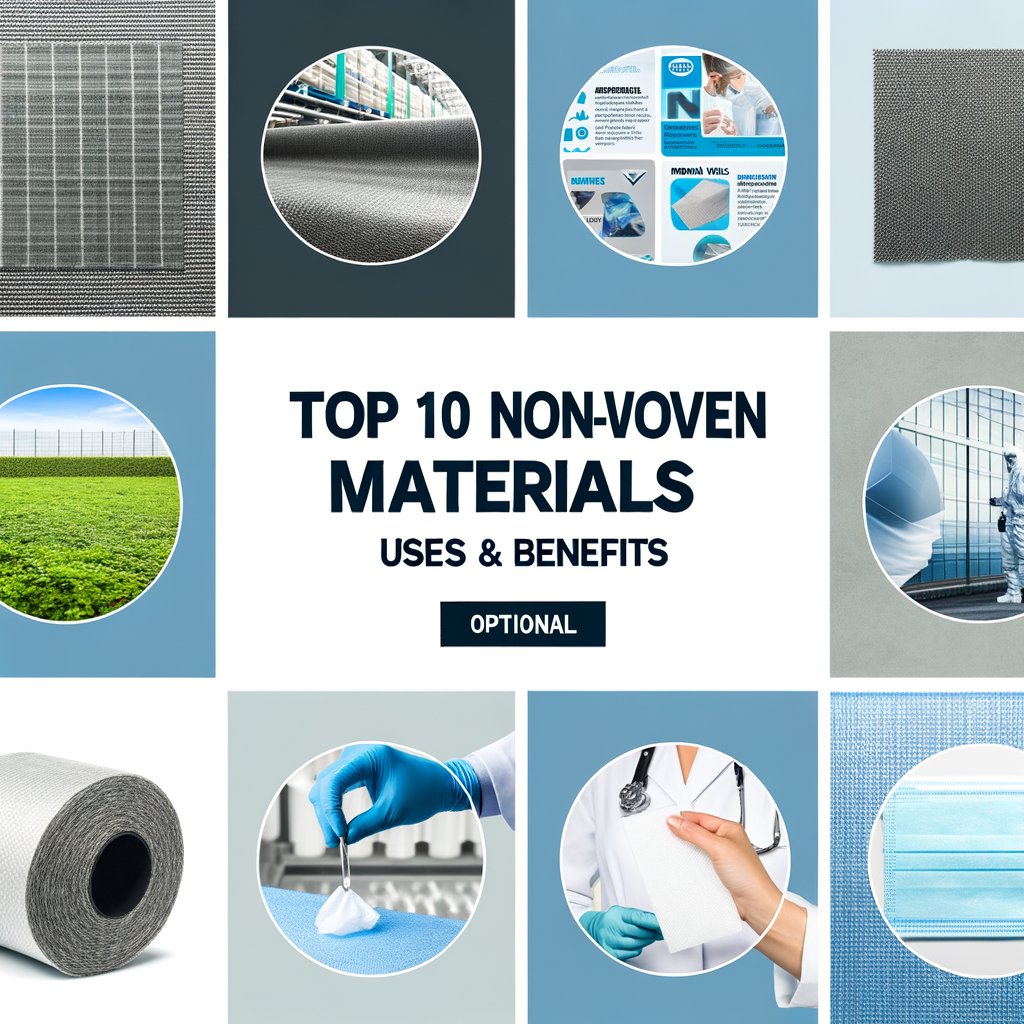
Top 10 Non-Woven Materials: Uses & Benefits
Navigating the world of non-woven materials can feel overwhelming. With so many options available, how do you choose the right one for your needs? This comprehensive guide explores the top 10 non-woven materials, highlighting their unique properties, applications, and benefits. We at Favourite Fab are experts in non-woven fabric solutions. We’ll help you understand the differences between spunbond, meltblown, and other non-woven fabric types.
What are Non-Woven Materials?
Unlike woven or knitted fabrics, non-woven materials are manufactured by bonding fibers together. This process creates a fabric-like structure without weaving or knitting. Because of this, non-woven materials offer distinct advantages, such as enhanced strength, absorbency, and breathability. Moreover, they are incredibly versatile and find applications in various industries.
Top 10 Non-Woven Material List
Polypropylene Non Woven Fabric:This versatile material is known for its strength, water resistance, and affordability. Common applications include packaging, furniture, and geotextiles.
Polyester Non Woven Fabric:
Offering excellent durability and wrinkle resistance, polyester non-woven fabric is ideal for automotive interiors, filtration, and apparel.
Rayon Non Woven Fabric:
Highly absorbent and soft, rayon non-woven fabric is often used in medical and hygiene products.
Cellulose Non Woven Fabric:
Derived from natural fibers, cellulose non-woven fabric is biodegradable and eco-friendly, making it suitable for wipes and disposable products.
Bicomponent Non Woven Fabric:
Combining two different polymers, bicomponent non-woven fabrics offer unique properties tailored to specific applications, such as hygiene products and filtration.
PLA Non Woven Fabric:
Made from renewable resources, PLA (Polylactic Acid) non-woven fabric is a sustainable alternative for packaging and disposable items.
PET Non Woven Fabric:
Known for its strength and recyclability, PET (Polyethylene Terephthalate) non-woven fabric is used in geotextiles, automotive, and filtration.
Spunbond Non Woven:
Created by bonding filaments, spunbond non-woven fabric is strong and durable, used in various applications, from medical to agriculture.
Meltblown Non Woven:
Made from melted polymers, meltblown non-woven fabric offers excellent filtration properties and is crucial for face masks and medical gowns.
Needlepunch Non Woven:
Mechanically bonded, needlepunch non-woven fabric is known for its strength and durability, commonly used in automotive interiors and geotextiles.
Other Non-Woven Manufacturing Processes
Airlaid Non Woven:
Thermal Bonded Non Woven:
Chemically Bonded Non Woven:
Non-Woven Material Properties and Applications
Understanding non woven material properties is crucial for selecting the right material. Factors such as non woven material strength, non woven material absorbency, non woven material breathability, non woven material durability, and non woven material biodegradability play a significant role in determining suitability for different applications.
For instance, non woven materials for medical applications prioritize hygiene and biocompatibility. Similarly, non woven materials for filtration require specific pore sizes and filtration efficiencies. Other common applications include non woven materials for hygiene, non woven materials for automotive, non woven materials for geotextiles, and non woven materials for agriculture.
Choosing the Right Non-Woven Material
Selecting the appropriate non-woven material depends on various factors, including the desired properties, application requirements, and budget. Therefore, consulting with experts like Favourite Fab can help you make informed decisions and optimize your material selection.
FAQ
What are the different types of non-woven fabrics? Several types exist, including spunbond, meltblown, needlepunch, airlaid, thermal bonded, and chemically bonded. Each offers unique properties and applications.
What are the raw materials used in non-woven fabrics? Common raw materials include polypropylene, polyester, rayon, cellulose, PLA, and PET.
What are the applications of non-woven fabrics? Non-woven fabrics find use in numerous industries, such as medical, filtration, hygiene, automotive, geotextiles, and agriculture

Gaurav Garg
I'm Gaurav Garg, CEO of Favourite Fab, a company on a mission to revolutionize the nonwoven industry with sustainable practices. We work hand-in-hand with manufacturers and suppliers who share our commitment to eco-friendly production. With a deep interest in textile innovation, I'm passionate about educating consumers about sustainable material options and their potential to transform the nonwoven landscape.


