

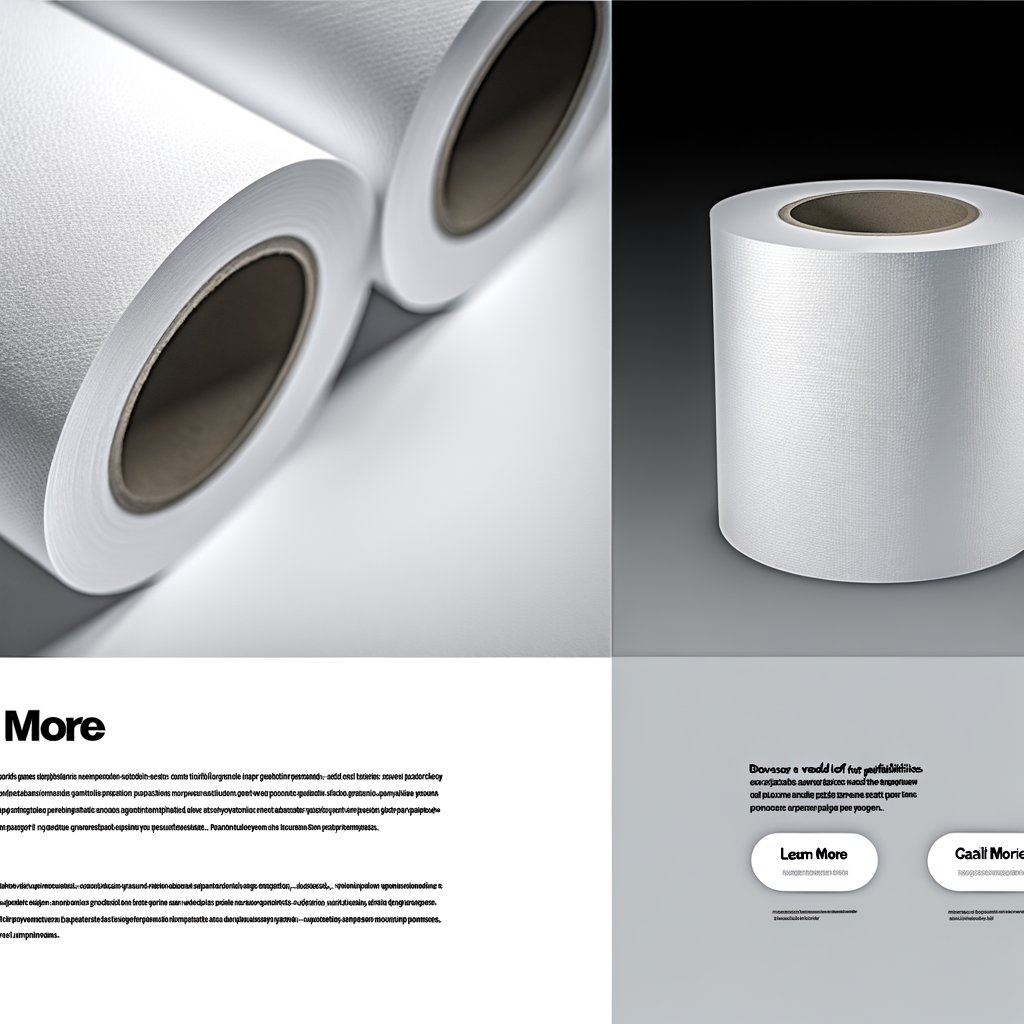
Airlaid Paper Rolls — Manufacturer & Supplier India | Favourite Fab
Airlaid paper is a dry-laid nonwoven material made by dispersing cellulose pulp and binder fibers through controlled airstreams — not water. The resulting web is softer, bulkier, and significantly more absorbent than conventional tissue at the same weight. Favourite Fab manufactures airlaid paper rolls and sheets across GSM 40–300 from our production facility in Agra, India, supplying hygiene, food-service, and medical customers across India and internationally. Request a sample →
What Is Airlaid Paper?
Airlaid paper — also called dry-laid paper or airlaid nonwoven — belongs to the nonwoven family but sits at the intersection of paper and fabric. The defining feature is the air-laid manufacturing process: instead of suspending fibers in water (the wet-laid or tissue route), fibers are opened, dispersed in a high-velocity airstream, and deposited uniformly onto a moving forming belt. This produces a three-dimensional fiber web that is substantially thicker and bulkier than wet-laid tissue at the same grammage.
Airlaid vs Wet-Laid: Key Process Difference
In conventional paper and tissue making, fibers travel in a water slurry to the forming wire. Water limits fiber length and tends to flatten the web — yielding a dense, two-dimensional sheet with low wet strength. In the airlaid process, fibers carried by air retain their natural crimp and length, forming a lofty, three-dimensional structure that traps significantly more liquid and holds its shape when saturated. The absence of water in web formation also removes the energy-intensive drying step required in wet-laid production.
Airlaid Manufacturing Process — Step by Step
- Raw material selection: Fluff pulp (wood cellulose), viscose, cotton, or bicomponent fibers are selected based on the target grade. For high-absorbency hygiene grades, superabsorbent polymer (SAP) particles are metered in at this stage.
- Fiber preparation: Pulp bales are mechanically defibrated (fluffed) to separate individual fibers to the correct length and density.
- Airlaid web formation: Defibrated fibers are entrained in an airstream and distributed evenly onto a moving forming belt, building a uniform, isotropic fiber web.
- Bonding: The web is consolidated by one of three methods:
- Thermal bonding: Bicomponent binder fibers (PE/PET sheath-core) melt and fuse adjacent fibers under elevated temperature — delivering high wet strength without additives.
- Hydroentanglement: High-pressure water jets mechanically entangle fibers — no chemical binder required — producing a fabric close to spunlace in hand-feel.
- Latex bonding: An acrylic latex is applied and cured, providing high wet tensile strength and stiffness control.
- Drying and finishing: Residual moisture is removed through heated drums or through-air dryers. Downstream finishing — embossing, slitting, perforating, printing, and winding — is applied to specification.
Learn more about the underlying technology in our pillar guide: airlaid nonwoven technology — comprehensive guide.
Types of Airlaid Paper
Airlaid paper is not a single grade. Manufacturers produce distinct grades optimised for different end-uses, varying in GSM, fiber blend, bonding method, and surface treatment:
Tabletop / Napkin Grade (50–80 GSM)
Pure fluff pulp with thermal or latex bonding. This grade delivers the cloth-like hand-feel and superior absorbency that premium restaurant napkins, placemats, and tablecloths demand. Unlike tissue napkins, napkin-grade airlaid paper retains full structural integrity when wet — it does not disintegrate, pill, or leave fiber residue on lips. Hotels, airlines, and catering operators choose airlaid paper napkins over linen for single-use convenience at a fraction of linen laundry cost. Available in rolls for automated napkin-folding lines.
Wipes Grade (40–120 GSM)
Typically hydroentangled for maximum wet strength without chemical binder residue. Used in baby wipes, feminine hygiene wipes, household disinfectant wipes, and industrial surface-cleaning wipes. The combination of pulp absorbency and entangled-fiber strength makes wipes-grade airlaid paper suitable for saturated wipes that undergo vigorous mechanical scrubbing action while remaining kind to delicate skin surfaces.
Hygiene / SAP Core Grade (80–200 GSM)
The functional absorbent core in modern slim sanitary napkins, adult incontinence products, and ultra-thin baby diapers. SAP particles are incorporated into the fiber matrix during web formation; upon contact with fluid, SAP swells and locks liquid away from the skin. SAP-loaded airlaid cores allow dramatic reduction in product thickness compared to traditional bulky fluff-pulp pads. See our dedicated page on airlaid nonwoven fabric for sanitary pads for detailed absorbency specifications.
Food Pad / Tray Liner Grade (60–180 GSM)
Designed for direct food contact. Absorbs exudate fluids from fresh meat, poultry, and seafood in retail packaging trays — extending shelf life and presenting a cleaner pack to the consumer. Food-pad grade airlaid paper must use binder systems free of compounds that could migrate into packaged food, and must comply with applicable food-contact material regulations.
Technical Specifications
The table below covers the standard production range at Favourite Fab. All parameters are available for customisation — contact us with your target application for a specification sheet and sample roll.
| Parameter | Specification |
|---|---|
| GSM Range | 40 – 300 g/m² |
| Roll Width | Up to 3,600 mm; custom slit widths available |
| Fiber Composition | Fluff pulp (cellulose) / viscose / bicomponent binder fiber; SAP optional |
| Bonding Method | Thermal bonding / hydroentanglement / latex bonding |
| Absorbency | Up to 8× dry weight (grade- and SAP-loading-dependent) |
| Wet Strength | High — retained after saturation (thermal and hydroentangled grades) |
| Surface Finish | Plain / embossed / creped / printed |
| Ply | Single-ply to multi-ply laminate |
| Available Form | Jumbo rolls, slit rolls, pre-cut sheets, die-cut pads |
Applications of Airlaid Paper
The combination of high absorbency, superior wet strength, and cloth-like softness positions airlaid paper as the preferred functional substrate across five major end-use segments:
Premium Napkins and Tablecloths
Hotels, airlines, catering companies, and premium restaurants use airlaid paper napkins and tablecloths as a practical substitute for linen. They offer a comparable premium appearance and feel at single-use convenience, significantly lower per-cover cost, and zero laundry logistics. The material holds its form and absorbs spills without balling or tearing — maintaining an upscale presentation throughout service.
Wet Wipes — Consumer and Industrial
Baby wipes, feminine hygiene wipes, household disinfectant wipes, and industrial cleaning wipes all depend on high-wet-strength airlaid substrates. Wipes-grade airlaid paper accepts deep saturation with water, lotion, or active cleaning solution while retaining structural integrity during aggressive wiping action. The soft texture is suitable for facial and baby-skin applications; the strength is sufficient for industrial degreasing wipes.
Absorbent Cores for Hygiene Products
SAP-loaded airlaid paper is the absorbent core in modern slim sanitary napkins, adult incontinence briefs, and ultra-thin baby diapers. Replacing bulky fluff-pad layers with an airlaid SAP core reduces pad thickness by 40–60% while increasing fluid retention capacity. The locked-in SAP prevents gel bleed and keeps skin dry between changes.
Food Contact Pads
Fresh meat, poultry, and seafood packagers insert airlaid food pads into retail trays to absorb blood, brine, and protein exudate — improving shelf life and presenting a visually clean pack to shoppers. Food-pad grade material must meet applicable food-contact safety requirements; fibers and bonding agents are selected accordingly.
Medical and Surgical Applications
Disposable surgical drapes, patient care underpads, wound-dressing backings, and sterile medical wipes use medical-grade airlaid paper for its absorbency, softness, and barrier performance. Specific grades are compatible with gamma sterilisation. The material provides a soft, non-irritating surface in patient contact applications.
Airlaid Paper vs Tissue vs Spunlace Nonwoven
Procurement teams regularly evaluate airlaid paper against tissue paper and spunlace nonwoven when sourcing absorbent substrates. The comparison below highlights the key differences that determine which material suits a given application:
| Parameter | Airlaid Paper | Tissue Paper | Spunlace Nonwoven |
|---|---|---|---|
| Manufacturing process | Air-laid (dry) | Wet-laid | Hydroentanglement |
| Base fiber | Fluff pulp ± viscose / SAP | Wood pulp | Polyester / viscose / cotton |
| Typical GSM | 40 – 300 | 10 – 80 | 30 – 200 |
| Absorbency | Very high | Moderate–High | High |
| Wet strength | High | Very low | High |
| Softness / hand-feel | Very high — cloth-like | High (disintegrates when saturated) | Very high |
| Bulk / thickness | Very high | Low–Medium | Medium |
| Biodegradability | Yes (pulp grades); partial (SAP / synthetic grades) | Yes | Varies by fiber blend |
| Best for | Premium napkins, absorbent cores, wipes | Facial tissue, toilet paper, light wrapping | Wipes, filtration, medical nonwovens |
Decision guide: When wet strength and high fluid-holding capacity are both required, airlaid paper outperforms tissue paper unambiguously. When synthetic-fiber durability and dimensional stability under stress are the priority rather than bulk absorbency, spunlace nonwoven warrants evaluation. See our resource on leading airlaid nonwoven manufacturers for procurement benchmarking and supplier comparison guidance.
Why Source Airlaid Paper Rolls From Favourite Fab
Favourite Fab is a B2B raw material manufacturer based in Agra, Uttar Pradesh, India. We supply airlaid paper rolls and sheets directly to product manufacturers — removing the distributor tier and giving buyers direct access to the production team for specification development and quality alignment.
Custom GSM and Roll Width
We produce airlaid paper across the full commercial GSM range (40–300 g/m²). Roll widths are set to your converting equipment specifications — from narrow slit rolls for wipes converting machines to wide jumbo rolls for large-format converting operations. Embossed surface patterns, perforated rolls for tear-off dispensing, and multi-ply laminate configurations are available as custom requirements.
Rolls and Pre-Cut Sheets — Both Formats
Whether your production line is roll-fed (continuous unwinding) or requires pre-cut sheets for semi-manual assembly, Favourite Fab supplies both formats to the dimensions you specify. Die-cut food pads for retail tray insertion are available for direct deployment in food packaging lines without secondary conversion.
India Manufacturing — Export Ready
Agra-based manufacturing gives our customers access to competitive wholesale pricing relative to European and North American airlaid producers. We have export experience across South Asia, the Middle East, and Southeast Asia. Standard shipping in 20-foot and 40-foot sea freight containers. Documentation package on request: commercial invoice, packing list, Certificate of Analysis (COA), material Technical Data Sheet (TDS), and Customs tariff/HS code declaration.
Technical Sampling Before Commitment
Before placing a production order, buyers receive a physical sample roll to validate absorbency performance, wet strength, GSM, and surface finish against their specific end-product requirements. Our technical team advises on fiber blend selection, bonding method, and finishing options for each application. Buyers who supply a competing product sample for benchmark testing receive a matched-specification quote.
Transparent Wholesale Pricing
We supply at competitive wholesale pricing across all airlaid paper grades. Pricing depends on GSM, fiber blend, bonding type, roll width, and order volume. A formal quotation is issued after specification confirmation — no price lists are published online, as costs vary with raw material market conditions and order-specific parameters.
How to Order Airlaid Paper Rolls
To request a sample, quotation, or production order for airlaid paper rolls or pre-cut sheets, reach our team directly through either channel below. Include your target GSM range, roll width, intended application, and estimated monthly volume to receive the most relevant response.
- Email: sale@favouritehub.com — for formal RFQs, sample requests, and technical queries. Include target specification and monthly volume estimate.
- WhatsApp: +91 88007 75462 — for fast initial contact. Share a voice note or written message with your requirement and we will revert within one business day.
Typical RFQ response time: one business day. Sample lead time: 5–7 working days depending on grade availability. Production lead times are confirmed at quotation stage and depend on order volume and current production schedule.
Frequently Asked Questions
What is airlaid paper made from?
Airlaid paper is produced from a blend of fluff pulp (wood cellulose), viscose or cotton fibers, and binder fibers — typically bicomponent polymer (PE/PET sheath-core) or an acrylic latex. Higher-absorbency grades intended for hygiene applications incorporate superabsorbent polymer (SAP) particles dispersed into the fiber web during the airlaid web formation stage. The exact fiber blend is determined by the target GSM, required absorbency level, and end-use application.
What GSM range is available for airlaid paper rolls?
Airlaid paper rolls are commercially available from approximately 40 GSM (lightweight wipes and liner substrates) to 300 GSM (thick absorbent cores and heavy food pads). The most widely used commercial grades fall between 60 GSM and 200 GSM. Favourite Fab manufactures across this full range in custom slit widths to match converting equipment requirements.
How does airlaid paper differ from tissue paper?
The core difference is the manufacturing process. Tissue paper is wet-laid — fibers are suspended in a water slurry and deposited on a forming wire, producing a thin, low-bulk sheet with very low wet strength. Airlaid paper is dry-laid — fibers are transported by airstreams and deposited to form a thick, lofty web that retains its structure when fully saturated. Airlaid paper delivers significantly higher fluid-holding capacity, far superior wet tensile strength, and a soft cloth-like texture that tissue paper cannot replicate. Tissue disintegrates when fully wet; airlaid maintains dimensional integrity throughout use.
Can Favourite Fab supply airlaid paper in custom specifications?
Yes. Favourite Fab manufactures airlaid paper rolls to custom GSM (40–300), roll width, bonding method (thermal, hydroentangled, or latex), surface finish (plain, embossed, creped, or printed), and ply count. Both jumbo rolls and pre-cut sheet formats are available. Physical sample rolls are provided ahead of production commitment. Contact sale@favouritehub.com with your target specification to initiate a sample request.
What is the minimum order quantity (MOQ) for airlaid paper rolls?
MOQ varies by GSM, roll width, fiber blend, and bonding type. Email sale@favouritehub.com or message us on WhatsApp at +91 88007 75462 with your target specification. We will respond with the applicable MOQ, indicative lead time, and production schedule availability within one business day.
Is airlaid paper biodegradable?
Airlaid paper produced from natural fluff pulp with fully biodegradable binder fibers is compostable and biodegradable under appropriate conditions. However, grades incorporating synthetic binder fibers, polyester components, or superabsorbent polymer (SAP) are only partially biodegradable — the cellulose fraction breaks down, but synthetic elements do not. If biodegradability is a specific product or compliance requirement, please state this when requesting a sample so our technical team can confirm the appropriate grade.
Related resources

Gaurav Garg
I'm Gaurav Garg, CEO of Favourite Fab, a company on a mission to revolutionize the nonwoven industry with sustainable practices. We work hand-in-hand with manufacturers and suppliers who share our commitment to eco-friendly production. With a deep interest in textile innovation, I'm passionate about educating consumers about sustainable material options and their potential to transform the nonwoven landscape.


