
Introduction
Nonwoven materials have revolutionized industries ranging from healthcare to construction with their versatility, durability, and cost-effectiveness. But what exactly are nonwoven materials, and why are they so essential in today’s world? In this blog, we’ll explore what nonwoven materials are, their manufacturing processes, key applications, benefits, and emerging trends shaping their future.
What Are Nonwoven Materials?
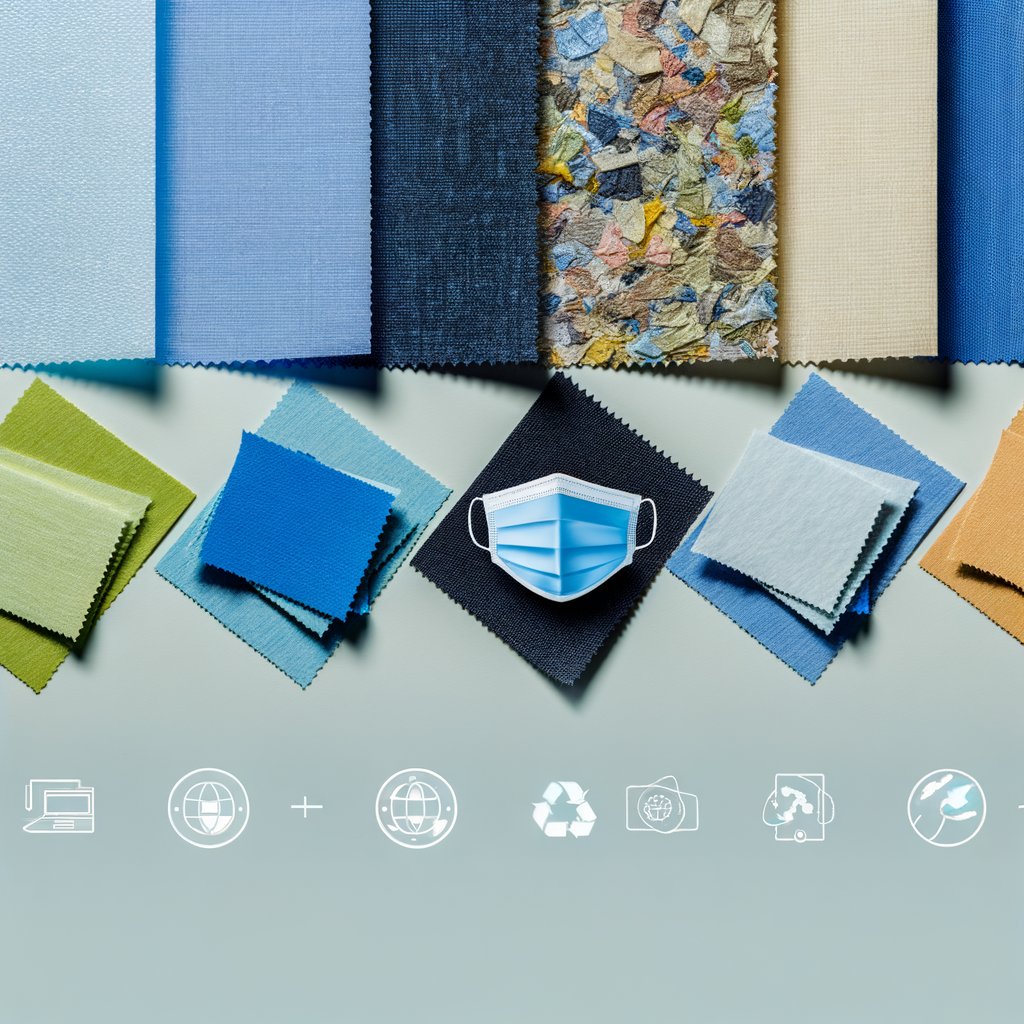
Nonwoven materials are fabric-like materials made by bonding fibers together using chemical, thermal, or mechanical processes. Unlike traditional woven fabrics, nonwoven materials do not require weaving or knitting. They can be made from both natural fibers (like cotton) and synthetic fibers (like polypropylene).
Key Properties of Nonwoven Materials:
- Lightweight and flexible
- Cost-effective
- High durability
- Water-resistant or absorbent (depending on the application)
- Customizable for specific uses
How Are Nonwoven Materials Made?
Nonwoven fabrics are manufactured using several processes:
- Spunbonding: Produces strong, continuous filaments bonded through heat or pressure.
- Needle Punching: Mechanically entangles fibers using barbed needles to create a cohesive fabric.
- Chemical Bonding: Uses adhesives to bond fibers together.
- Thermal Bonding: Bonds fibers through heat.
Applications of Nonwoven Materials
Nonwoven materials are widely used across industries due to their unique properties. Here are some common applications:
- Healthcare and Hygiene:
- Surgical gowns and masks
- Sanitary products and diapers
- Medical bandages and wipes
- Construction:
- Geotextiles for soil stabilization
- Insulation materials
- Roofing and underlayments
- Automotive:
- Interior linings and filters
- Noise and vibration dampening materials
- Packaging:
- Reusable shopping bags
- Protective packaging wraps
- Household Products:
- Cleaning wipes
- Furniture linings
- Air and water filters
Benefits of Nonwoven Materials
Nonwoven materials offer numerous advantages over traditional fabrics:
- Cost-Efficiency: Less expensive to produce compared to woven fabrics.
- Customization: Tailored properties for specific needs (e.g., water resistance or high absorbency).
- Lightweight and Durable: Ideal for applications requiring both flexibility and strength.
- Eco-Friendly Options: Many nonwoven materials are recyclable or biodegradable.
Future Trends in Nonwoven Materials
- Sustainability: As industries shift toward eco-friendly practices, biodegradable and recyclable nonwoven materials are gaining popularity. Plant-based fibers and innovative recycling processes are leading the charge.
- Advanced Manufacturing Techniques: New methods like nanofiber technology and 3D printing are enabling the production of nonwoven materials with enhanced properties, such as improved filtration and greater strength.
- Expanding Applications: Nonwoven materials are finding uses in emerging fields such as wearable technology, advanced filtration systems, and green construction.
Nonwoven Materials vs. Woven Materials
- Made by weaving yarns in an interlaced pattern.
- More durable but heavier and more expensive.
Nonwoven Materials:
- Bonded fibers without weaving or knitting.
- Lightweight, cost-effective, and customizable.
How to Choose the Right Nonwoven Material
When selecting a nonwoven material, consider the following factors:
- Purpose: Is it for filtration, protection, or insulation?
- Durability: Does it need to withstand heavy use or wear?
- Eco-Friendliness: Is sustainability important for your application?
- Certifications: Look for certifications like OEKO-TEX or ISO for quality assurance.
Conclusion
Nonwoven materials have become indispensable in modern industries due to their versatility, cost-effectiveness, and innovative potential. From improving healthcare safety to enabling eco-friendly practices, their applications continue to grow. As advancements in technology and sustainability emerge, nonwoven materials are set to shape the future of textiles and beyond.
Whether you’re exploring nonwoven materials for personal use, business, or curiosity, understanding their properties and potential will help you make informed decisions. Stay tuned for more insights into this revolutionary material!
Favourite Fab: Your Trusted Source for Nonwoven Material
At Favourite Fab, we specialize in providing high-quality nonwoven materials for a variety of applications. With our extensive experience and commitment to innovation, we are your trusted partner for all your nonwoven needs. We offer a wide range of products and customized solutions to meet your specific requirements.
Contact Us
For more information about our nonwoven material products and services, please contact us:
Email: sale@favouritehub.com
WhatsApp: 8800775462

Gaurav Garg
I'm Gaurav Garg, CEO of Favourite Fab, a company on a mission to revolutionize the nonwoven industry with sustainable practices. We work hand-in-hand with manufacturers and suppliers who share our commitment to eco-friendly production. With a deep interest in textile innovation, I'm passionate about educating consumers about sustainable material options and their potential to transform the nonwoven landscape.


