
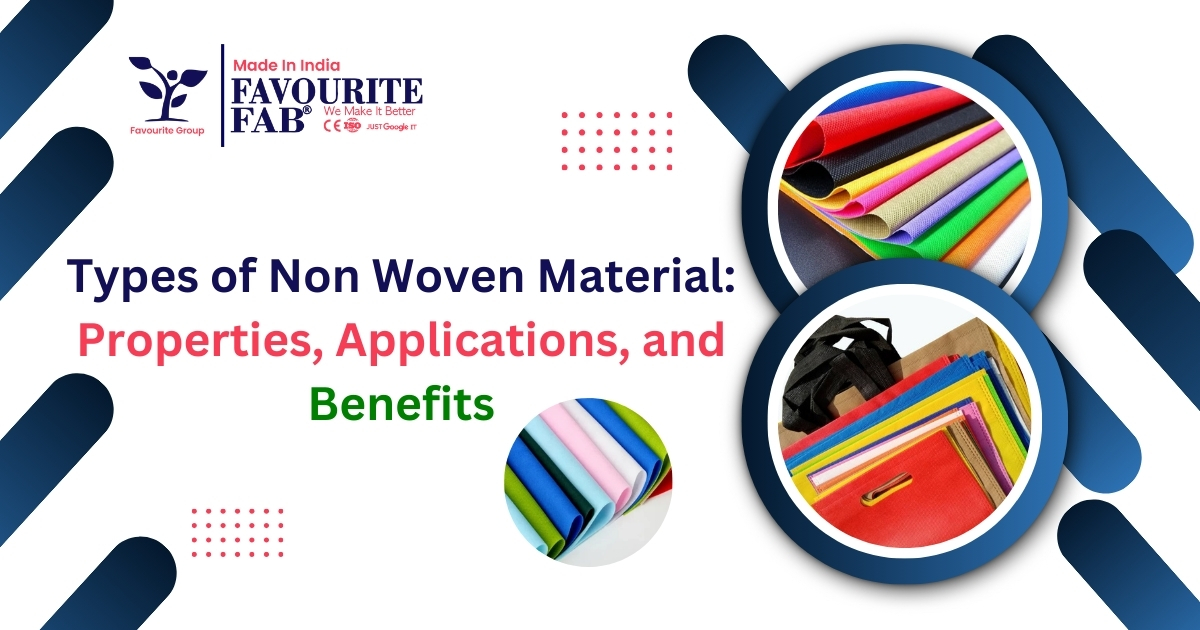
Types of Non Woven Material: Properties, Applications, and Benefits
Non-woven materials are everywhere. From medical masks to shopping bags, these versatile fabrics play a crucial role in our daily lives. This comprehensive guide explores the different types of non woven material, their unique properties, and diverse applications. We’ll also delve into the manufacturing processes and benefits of these innovative fabrics.
What are Non Woven Materials?
Unlike woven or knitted fabrics, non woven materials are manufactured by bonding fibers together. This bonding can be achieved through mechanical, thermal, or chemical processes. The result is a fabric structure that offers distinct advantages in terms of strength, absorbency, breathability, and cost-effectiveness. Moreover, non woven fabrics are often more eco-friendly due to their ease of recyclability and biodegradability.
Types of Non Woven Materials
- Spunbond Non Woven
- Properties: Lightweight, breathable, durable, and cost-efficient.
- Applications: Commonly used in medical gowns, shopping bags, and crop covers.
- Benefits: High tensile strength and eco-friendliness make it a popular choice.
- Meltblown Non Woven
- Properties: Fine fibers, excellent filtration, and softness.
- Applications: Ideal for face masks, air filters, and absorbent products.
- Benefits: Exceptional filtration performance for safety and hygiene.
- Needle-Punched Non Woven
- Properties: High durability, thickness, and strength.
- Applications: Utilized in carpets, insulation, and geotextiles.
- Benefits: Resistant to wear and tear, making it perfect for heavy-duty use.
- Thermal Bonded Non Woven
- Properties: Smooth, lightweight, and breathable.
- Applications: Found in diapers, sanitary pads, and hygiene products.
- Benefits: Comfortable and skin-friendly for sensitive applications.
- Chemical Bonded Non Woven
- Properties: Soft, flexible, and resistant to abrasion.
- Applications: Used in industrial cleaning wipes, tablecloths, and wet wipes.
- Benefits: Offers excellent durability and customization options.
- Hydroentangled (Spunlace) Non Woven
- Properties: Soft, absorbent, and lint-free.
- Applications: Suited for cosmetic wipes, medical bandages, and hygiene products.
- Benefits: Provides a cloth-like feel and high absorbency.
Properties of Non Woven Materials
- Lightweight and Flexible: Easy to handle and transport.
- Customizable: Tailored for specific needs like strength, texture, and absorbency.
- Cost-Effective: Economical production ensures wide accessibility.
- Eco-Friendly Options: Many are biodegradable and recyclable, supporting sustainability.
Applications of Non Woven Materials
1. Healthcare
- Face masks, surgical gowns, wound dressings, and disposable gloves.
2. Agriculture
- Crop covers, weed control fabrics, and seed blankets to boost productivity.
3. Industrial
- Filters, insulation materials, and protective clothing for workers.
4. Consumer Goods
- Reusable shopping bags, upholstery, and disposable hygiene products like diapers.
5. Construction
- Geotextiles for soil stabilization, waterproof membranes, and roofing underlays.
Benefits of Non Woven Materials
- Versatility: Suited for a wide range of industries and applications.
- Efficiency: Fast production processes ensure cost savings.
- Sustainability: Eco-friendly variants reduce environmental impact.
- Durability: High strength and resistance make them reliable.
- Customizability: Easily adaptable to meet specific requirements.
Choosing the Right Non Woven Material
Selecting the right material depends on your specific needs:
- Opt for spunbond for breathable and lightweight applications.
- Choose meltblown for high filtration efficiency.
- Use needle-punched for robust, heavy-duty purposes.
Conclusion
Non woven materials have become indispensable due to their versatility, cost-effectiveness, and sustainability. By understanding their properties, applications, and benefits, businesses can make informed choices to enhance their operations. Whether it’s healthcare, agriculture, or consumer goods, non woven fabrics offer solutions that combine functionality with environmental consciousness.
Partner with Favourite Fab to explore high-quality non woven materials tailored to your needs. Contact us today to learn more!

Gaurav Garg
I'm Gaurav Garg, CEO of Favourite Fab, a company on a mission to revolutionize the nonwoven industry with sustainable practices. We work hand-in-hand with manufacturers and suppliers who share our commitment to eco-friendly production. With a deep interest in textile innovation, I'm passionate about educating consumers about sustainable material options and their potential to transform the nonwoven landscape.


